
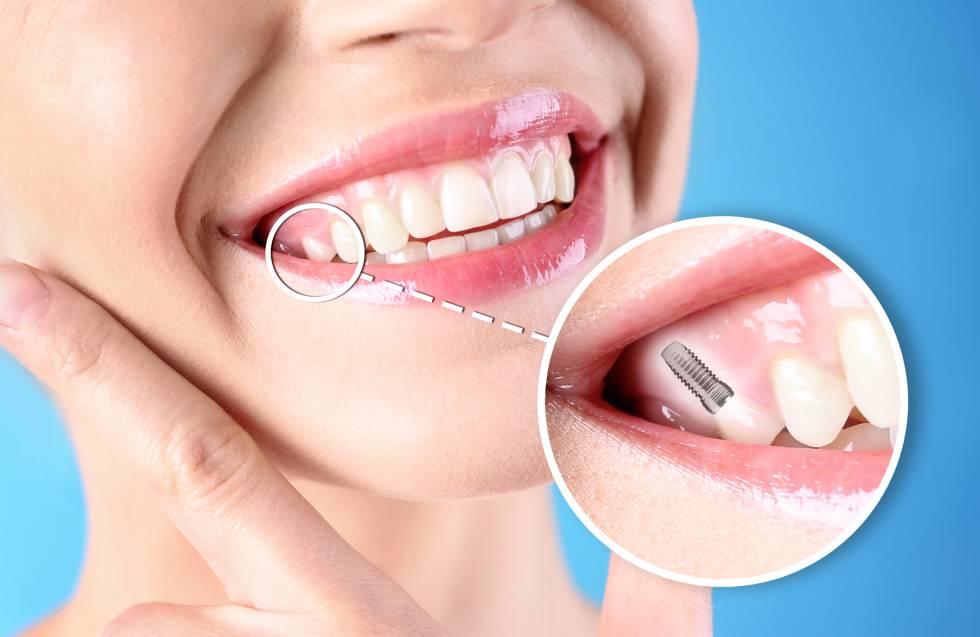
Missing a tooth can be a significant inconvenience, affecting not just your smile but also your overall health and confidence. At Little River Dental, we understand that choosing the best restoration option can be overwhelming. If you find yourself in this situation, you may be wondering whether to go for a dental implant or a fixed bridge. Both are popular solutions, but which one is right for you? Let’s explore the differences between single-tooth implant restorations and fixed bridges.
What is a Dental Implant?
A dental implant is a metal post that is surgically placed into your jawbone, acting as a root for a replacement tooth. Once the implant fuses with the bone through a process called osseointegration, it provides a stable foundation for a crown, creating a natural look and feel.
Advantages of Dental Implants
- Natural Functionality: Dental implants offer functionality similar to natural teeth, allowing you to chew and speak without concern.
- Longevity: With proper care, dental implants can last a lifetime, making them a cost-effective long-term solution.
- Bone Health: Implants stimulate the jawbone, preventing bone loss that can occur when a tooth is missing.
- Aesthetic Appeal: They blend seamlessly with your existing teeth, offering a natural appearance.
What is a Fixed Bridge?
A fixed bridge is a dental restoration that uses adjacent teeth to support a false tooth (or pontic). The neighbouring teeth are reduced in size and fitted with crowns to anchor the bridge in place.
Advantages of Fixed Bridges
- Faster Procedure: Getting a fixed bridge may take less time than an implant since it usually requires only two visits.
- Less Invasive: The procedure for a bridge does not require surgery, making it less invasive than implants.
- Immediate Results: You can usually leave our Windsor dental clinic with a new smile in a matter of weeks.
Comparing the Two Options
A. Treatment Time
- Dental Implants: While the initial placement and healing (which can take several months) may take longer, the result is a long-lasting, functionally superior solution.
- Fixed Bridges: The bridge can usually be fitted in just a few appointments, but you will need to replace it every 5-10 years.
B. Bone Preservation
- Dental Implants: These actively promote jawbone health, reducing the risk of bone loss over time.
- Fixed Bridges: Because they do not replace the root of the missing tooth, they do not support the jawbone, which can lead to long-term issues.
C. Maintenance
- Dental Implants: Care is straightforward—brush and floss just like your natural teeth, and maintain regular dental check-ups.
- Fixed Bridges: While they are easy to maintain, cleaning around a bridge can be more complicated, often requiring special floss.
Making the Decision
Your choice between a dental implant and a fixed bridge shouldn’t just depend on the immediate inconvenience of a missing tooth but also on long-term health and stability. The ideal option for you may depend on factors such as age, bone density, and your lifestyle. It is crucial to consult with a professional to assess your specific needs.
Take the Next Step
If you’re feeling uncertain about the right solution for your missing tooth, we invite you to schedule a consultation at Little River Dental, your trusted Windsor dentist. Our experienced team, including Dr. Matthew Duronio and Dr. Tarek Nader, will walk you through your options and help you make an informed choice that best suits your oral health needs.
Final Thoughts
Whether you opt for a fixed bridge or a dental implant restoration, the important thing is that you don’t have to live with a missing tooth. At Little River Dental, we’re committed to helping you regain not just your smile but also your confidence. Serving Windsor, Riverside, and Tecumseh, we provide comprehensive dental care tailored to you. Contact us today to learn more about our orthodontics in Windsor and how we can help restore your smile!
Brighten your day by taking the first step towards a healthier smile today!