
At Little River Dental, we understand that dental procedures can sometimes feel daunting. One common procedure many patients encounter is a dental crown, also known as a cap. Understanding what a dental crown is and when it becomes absolutely necessary can reduce confusion and hesitation about restorative work. Our goal is to provide clarity for our patients in Windsor and the surrounding areas, assuring them that our team of professionals is here to support their oral health needs.
What is a Dental Crown?
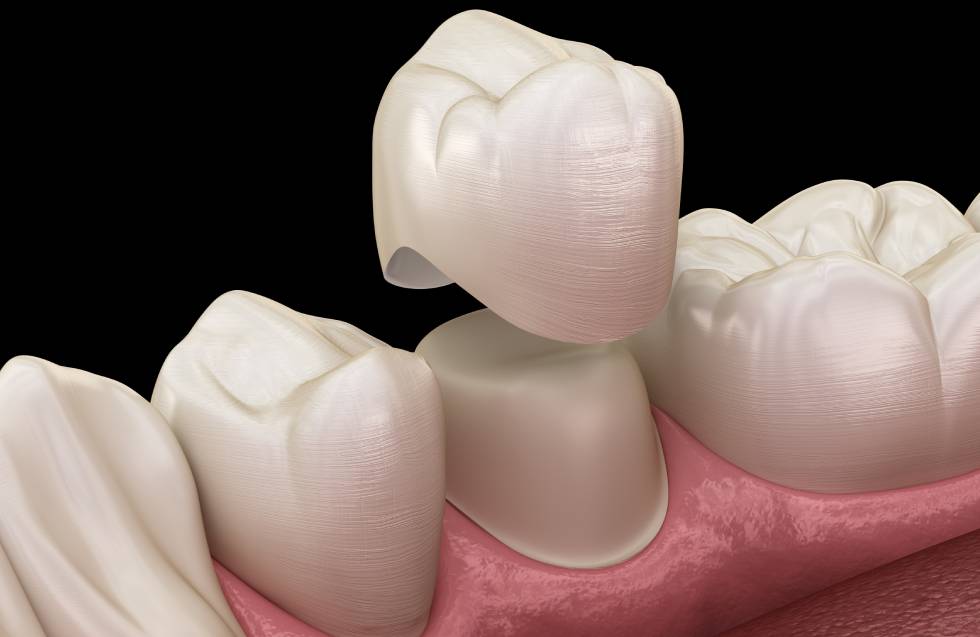
A dental crown is a custom-made cap that is placed over a tooth to restore its shape, size, strength, and appearance. Crowns are often made from materials like porcelain, ceramic, or metal, and they are designed to blend seamlessly with the natural teeth. This procedure can be a crucial part of maintaining not only the aesthetics but also the functionality of your mouth.
Crowns can serve multiple purposes, such as:
- Restoring a Damaged Tooth: If a tooth has been cracked, broken, or severely decayed, a crown can provide the necessary support to restore its functionality.
- Capping a Tooth After Root Canal Therapy: After a root canal, a tooth can become fragile; a crown helps protect and strengthen it.
- Improving the Appearance of Teeth: For some patients, crowns can also serve a cosmetic purpose, allowing for improvements in tooth shape or alignment, particularly when used alongside other treatments, such as orthodontics.
- Supporting Bridges: Dental crowns are often used to anchor dental bridges that replace missing teeth.
When is a Dental Crown Absolutely Necessary?
Determining the need for a dental crown can vary from patient to patient. Here are some common scenarios where our Windsor dentist might recommend a crown:
- Severe Decay: If a tooth has extensive decay that a filling cannot repair, a crown may be necessary to restore its integrity.
- Tooth Damage: Dental trauma can lead to cracked or broken teeth. A crown can stabilize these types of injuries and prevent further damage.
- Root Canal Treatment: As mentioned earlier, after a root canal, a tooth can become weaker. A crown is typically recommended to safeguard it.
- Cosmetic Concerns: If a tooth is misshapen, discoloured, or different in size compared to adjacent teeth, a crown can enhance aesthetic appeal and improve overall confidence.
- Support for Other Dental Work: Crowns are often needed to securely hold dental bridges or to cover dental implants.
The Benefits of Crowns
Choosing to proceed with a dental crown has numerous advantages. At Little River Dental, we aim to preserve your natural teeth while enhancing your smile. Some benefits of dental crowns include:
- Durability: Crowns are designed to withstand biting forces and last for many years with proper care.
- Aesthetic Appeal: Modern materials allow for crowns that match the color and appearance of your natural teeth.
- Improved Functionality: By restoring a tooth’s shape and strength, crowns can significantly improve your ability to chew and speak comfortably.
- Prevent Further Damage: Crowns protect and stabilize damaged teeth, preventing the need for more extensive dental work down the line.
In Conclusion
If you’re in the Windsor area and are considering dental work, understanding the role of dental crowns can help ease any anxiety you may have regarding restorative procedures. Our knowledgeable team at the Windsor dental clinic is committed to providing tailored treatments that meet your unique dental needs.
Don’t hesitate to reach out to Little River Dental for any questions or to schedule an appointment. Maintaining your oral health is our primary mission, and we are here to participate in your journey toward a brighter, healthier smile. By ensuring that you’re well-informed about treatments like crowns, we can work together to make the best decisions for your dental health and future.
Your smile is important to us—let’s work together to keep it beautiful and strong!