
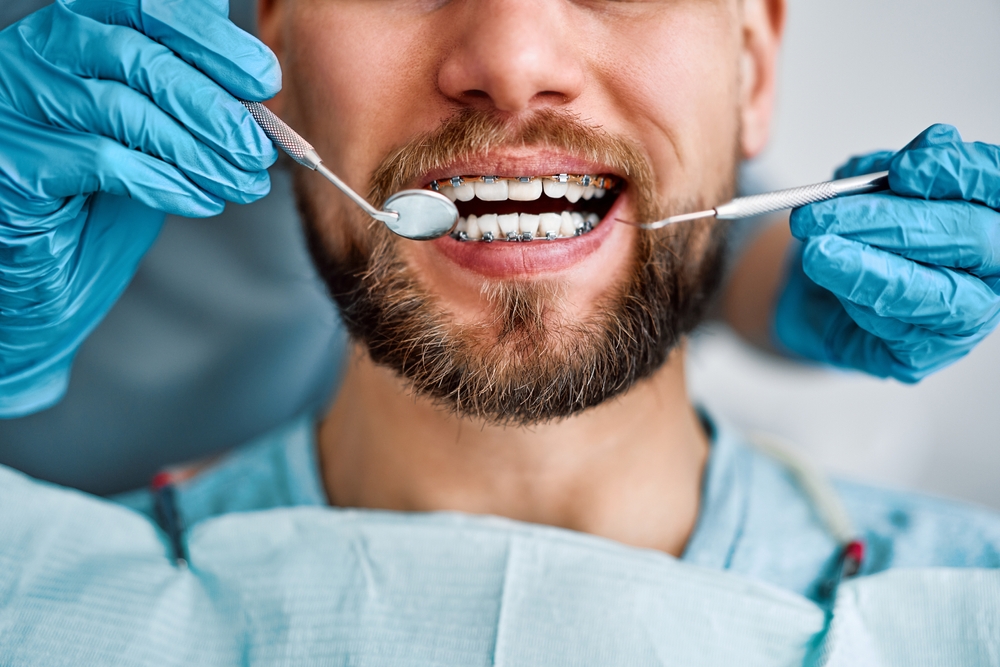
A balanced bite plays an important role in how your teeth function every day. While many people associate orthodontic care with creating straighter teeth, treatment also focuses on how the upper and lower teeth come together. Proper bite alignment may support comfortable chewing, easier cleaning, and improved oral function over time.
For individuals considering orthodontics in Windsor, understanding the connection between bite alignment and long-term oral health may help them make informed decisions about their dental care.
What Is Bite Realignment?
Bite realignment refers to adjusting the position of the teeth and jaws so they meet in a more functional way. When teeth do not come together properly, it may create challenges with chewing, brushing certain areas, or maintaining comfortable jaw movement.
Common bite concerns include overbites, underbites, crossbites, and open bites. Each situation is different, and an orthodontic assessment helps determine whether treatment may be appropriate.
How Bite Alignment Affects Daily Oral Function
The way your teeth fit together affects more than appearance. A misaligned bite may place uneven pressure on certain teeth, which can contribute to wear over time.
Improving tooth alignment may help create a more balanced bite and make daily activities such as chewing more comfortable. It may also make some areas of the mouth easier to clean, which supports regular oral hygiene practices.
A dentist or orthodontic provider evaluates each patient individually before recommending any treatment.
The Importance of Early Assessment
Orthodontic concerns can be identified at different ages. Children and teenagers often receive evaluations while their teeth and jaws are still developing, but adults may also benefit from orthodontic consultations.
Early assessment allows dental professionals to monitor growth patterns, tooth movement, and bite development. For adults, an evaluation can help determine available options based on current oral health and treatment goals.
The right timing for orthodontic care depends on each person’s individual circumstances.
Orthodontic Treatment Options
Orthodontic treatment has changed significantly over time, with different options available depending on a patient’s needs. Traditional braces and clear aligner systems are examples of approaches that may be considered for improving tooth positioning.
During a consultation, the dental provider will discuss available options, expected treatment steps, and factors that may influence the recommended approach.
Every treatment plan is personalized according to the patient’s oral health, bite concerns, and goals.
Maintaining Oral Health During Treatment
Good oral hygiene is especially important during orthodontic treatment. Brushing carefully around orthodontic appliances, flossing regularly, and attending routine dental appointments may help support healthy teeth and gums.
Patients should follow the care instructions provided by their dental team and communicate any concerns during appointments.
Consistent care throughout treatment helps support the overall success of the orthodontic process.
Supporting Your Orthodontic Journey in Windsor – Personalized Care for a Better-Aligned Smile!
Little River Dental provides comprehensive dental care and personalized treatment guidance for patients considering orthodontic options. If you are exploring orthodontics in Windsor, the team can help you understand your dental needs, discuss available treatment considerations, and provide information to support your oral health goals.