
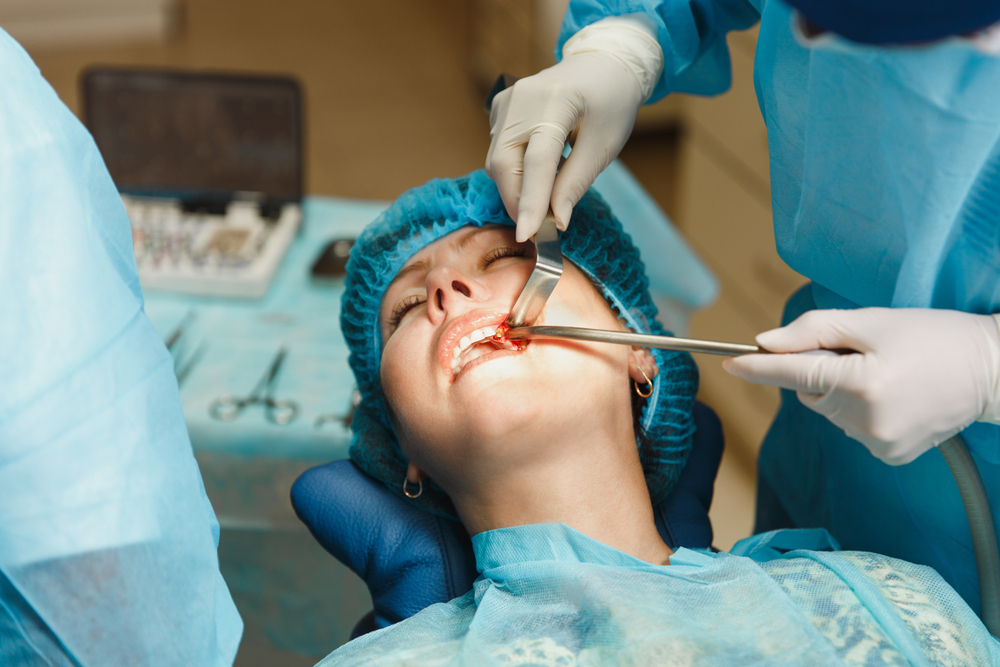
When preparing for a dental procedure—whether it is a dental implant, tooth extraction, or bone graft—most patients expect questions about their brushing habits, smoking history, or dental history. What often catches people off guard is when your dental team asks for a complete list of your daily prescription medications.
At Little River Dental (duroniodentistry.com), we conduct thorough medical evaluations before planning any surgical treatment. The reason? Two of the most commonly prescribed classes of medication—acid reflux drugs and bone density prescriptions—can significantly alter how your jaw heals and, in some cases, increase the risk of oral surgery failure.
Here is a closer look at how these everyday medications interact with your jawbone and what you can do to ensure a smooth, successful recovery.
1. The Acid Reflux Link: How PPIs Impact Bone Integration
Millions of adults rely on Proton Pump Inhibitors (PPIs) such as omeprazole, lansoprazole, or Nexium to manage heartburn, acid reflux, and GERD. While highly effective for stomach comfort, long-term PPI use can have indirect consequences for your jaw.
PPIs work by reducing the production of stomach acid. However, stomach acid plays a crucial role in dissolving dietary minerals so your body can absorb them—most notably calcium and magnesium. Over time, reduced calcium absorption can lead to lower bone mineral density.
When you undergo oral surgery, such as dental implant placement, your body relies on a process called osseointegration—where natural bone tissue fuses around the titanium implant post. Clinical research indicates that chronic PPI use can slow bone remodelling and increase the risk of implant failure. Without sufficient calcium availability and healthy cellular turnover, the surrounding bone struggles to create a strong, lasting bond.
2. Bone Density Meds and MRONJ Risk
Bone medications—specifically bisphosphonates (such as Fosamax or Actonel) and antiresorptive agents (such as Prolia)—are commonly prescribed to treat osteoporosis or prevent bone loss.
These medications work by slowing down osteoclasts, the specialized cells responsible for breaking down old bone tissue. While this helps preserve overall bone mass throughout the body, it halts the jaw’s natural turnover process.
Because the jawbone experiences constant micro-stress from chewing, it requires regular remodelling. When a surgical procedure like an extraction or implant placement creates a site that needs active bone repair, the jawbone may be unable to heal properly. In severe cases, this leads to Medication-Related Osteonecrosis of the Jaw (MRONJ)—a condition where exposed bone tissue fails to heal and begins to deteriorate.
Cosmetic Care vs. Surgical Precautions
Not every dental treatment carries these systemic risks. Routine preventive care and aesthetic treatments, such as professional teeth whitening in Windsor, focus strictly on enamel and carry no impact on deep tissue or bone chemistry. However, when moving from cosmetic enhancements to surgical care, your underlying bone health and systemic history become the foundation of your success.
Protecting Your Smile at Little River Dental
Taking acid reflux or bone density medication does not automatically mean you cannot have dental implants or needed surgery. It simply means your care plan needs to be customized.
At Little River Dental, we take proactive steps to protect your health:
- Medical Reviews: We audit all current prescriptions, dosages, and therapy durations.
- Physician Collaboration: We coordinate directly with your primary physician to determine if surgical timing or temporary medication adjustments are appropriate.
- Optimized Healing Protocols: We may recommend mineral supplementation (like calcium and vitamin D) or allow extended healing periods before placing final restorations.
If you are planning oral surgery or looking to refresh your smile with professional teeth whitening in Windsor, transparency is key. Visit duroniodentistry.com or contact our team at Little River Dental today to schedule your consultation!